

Hey there, solar energy enthusiasts! I'm a supplier of Adjustable Tilt Solar Mounts, and today I wanna chat about the best position for these nifty mounts. It's a topic that can make a huge difference in how well your solar panels perform, so let's dive right in.
First off, let's understand why the position of adjustable tilt solar mounts matters. Solar panels are like energy - hungry little beasts. They need as much sunlight as they can get to convert it into electricity efficiently. And the angle at which they're tilted plays a massive role in how much sunlight they capture.
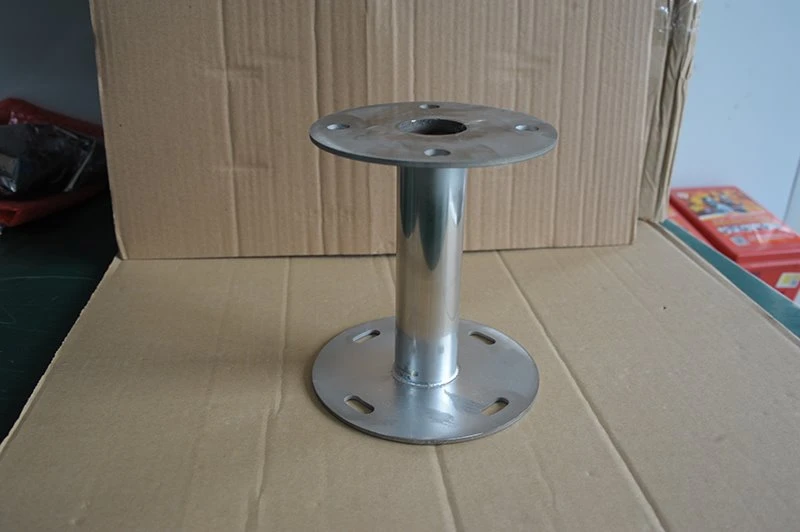
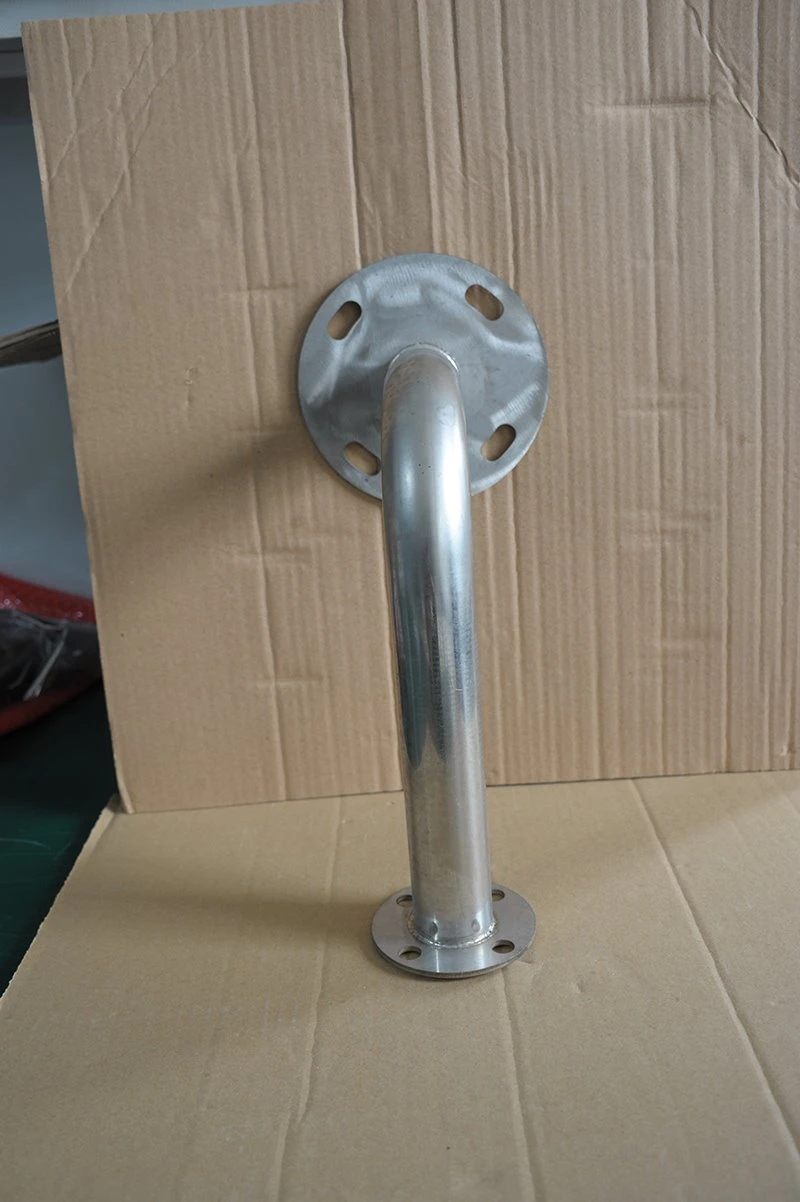
Factors Affecting the Ideal Position
Latitude
One of the most important factors is the latitude of your location. The Earth is tilted on its axis, and this tilt causes the sun's path across the sky to change depending on where you are on the planet. In general, for fixed - tilt solar mounts, the optimal tilt angle is often close to the latitude of your location. But with adjustable tilt solar mounts, we have more flexibility.
For example, if you're in a place with a high latitude, like in northern Canada or Scandinavia, the sun is lower in the sky for much of the year. So, you'd want to tilt your solar panels at a steeper angle to catch more sunlight. On the other hand, if you're near the equator, where the sun is more directly overhead, a shallower tilt might be better.
Seasonal Changes
The seasons also have a big impact. During the summer, the sun is higher in the sky, so a shallower tilt can be more effective. In winter, when the sun is lower, you'll want to increase the tilt angle. Adjustable tilt solar mounts allow you to make these seasonal adjustments easily.
Let's say you live in a temperate climate. In summer, you can set your mounts to a tilt angle of around 15 - 20 degrees. This will allow the panels to face more directly towards the high - positioned summer sun. As winter rolls around, bump that angle up to 40 - 50 degrees. This way, you can still capture a good amount of sunlight even when the sun is lower in the sky.
Shading
Shading is another crucial factor. Even a small amount of shade on a solar panel can significantly reduce its efficiency. You need to position your adjustable tilt solar mounts in a way that minimizes shading throughout the day. This might mean avoiding areas near trees or tall buildings that could cast shadows on the panels.
Different Positions and Their Advantages
Horizontal Position
A horizontal position for solar panels is sometimes used in certain situations. It's a good choice if you're in an area where the sun is almost directly overhead for a large part of the day, like in some tropical regions. One of the big advantages of the horizontal position is simplicity. It's easy to install and maintain. Also, rain and debris tend to slide off more easily, which helps keep the panels clean.
However, there are also some drawbacks. In non - tropical regions, the horizontal position may not capture as much sunlight as a tilted position. The panels won't be angled towards the sun, especially during the morning and evening when the sun is lower in the sky.
Vertical Position
Vertical positioning of solar panels has its own set of pros and cons. It can be a great option for buildings with limited roof space. For instance, in urban areas where rooftops are packed with other equipment, a vertical mount can make use of the walls. Some vertical mounts, like the Vertical Support Bracket, are designed specifically for this kind of installation.
On the plus side, vertical panels can also capture sunlight when it's coming from different directions. They're less affected by the angle of the sun during certain times of the day. But the downside is that they may not be as efficient as tilted panels in terms of overall sunlight capture. They may need a larger surface area to produce the same amount of electricity as well - tilted panels.
Tilted Positions
Tilted positions are usually the most efficient for solar panels. There are two types of tilted positions: fixed - tilt (which can be adjusted seasonally with adjustable tilt mounts) and dynamic tilt.
Fixed - tilt positions are set based on the average sunlight conditions in your area. For example, if you live in a place where the sun is at an average angle of 30 degrees in spring and fall, you can set your adjustable tilt solar mounts to that angle. Many solar panel mounting systems, such as Solar Panel Mounting Brackets, are designed to support different tilt angles.
Dynamic tilt systems are more advanced. These mounts can adjust the tilt angle throughout the day to constantly face the sun. They use sensors and motors to follow the sun's path, which maximizes sunlight capture. But they're also more expensive and complex to install and maintain.
Special Considerations for Different Mount Types
Ground - Mounted Systems
For ground - mounted adjustable tilt solar mounts, you have more flexibility in terms of positioning. You can choose a location with the least amount of shading and set the tilt angle according to your needs. You can also use tools like Antinose Dive Leg for better support and stability.
However, ground - mounted systems also require more space. You need to make sure the area is clear of any obstacles and that the ground is level. You may also need to consider local zoning regulations and soil conditions.
Roof - Mounted Systems
Roof - mounted adjustable tilt solar mounts are popular because they make use of existing space. But you have to work with the orientation and pitch of the roof. If your roof faces south (in the northern hemisphere) or north (in the southern hemisphere), it's usually an ideal location. You can use Side Mounted Solar Panel Brackets to attach the panels to the roof.
Keep in mind that the weight of the solar panels and mounts can put stress on the roof. You need to ensure that the roof is strong enough to support the additional load.
Battery Storage and Mounting
If you're using solar battery storage, the positioning of your solar panels also affects how well your batteries charge. You can use Solar Battery Box Mounts to store your batteries safely. The more sunlight your panels capture, the more electricity they'll generate, and the better your batteries will charge.
Making the Right Choice
So, how do you decide the best position for your adjustable tilt solar mounts? Well, it all comes down to your specific location, energy needs, and budget. You can start by doing some research on the average sun angles in your area. Online tools and solar calculators can be really helpful.
It's also a good idea to consult with a solar expert. They can take into account all the factors we've discussed and give you personalized advice.
If you're interested in our adjustable tilt solar mounts, we're here to help. We offer a wide range of products that can be adjusted to different tilt angles to suit your needs. Whether you're a homeowner looking to install solar panels on your roof or a business owner planning a large - scale solar project, we've got the right solution for you.
If you want to learn more about our products or have any questions about the optimal position for your solar mounts, feel free to reach out. We'd love to have a chat and work together to help you get the most out of your solar energy system.
References
- "Solar Energy: Renewable Energy and the Environment" by John F. Kreith
- Solar Energy Industries Association (SEIA) reports
- Various research papers on solar panel efficiency and positioning