

What are the requirements for marker signs in a residential area?
Living in a well - organized residential area is a dream for many people. One of the key elements that contribute to the functionality and aesthetics of a residential area is the marker signs. As a marker signs supplier, I've had the opportunity to work on numerous residential projects and understand the various requirements that these signs must meet.
Safety Requirements
Safety is the top priority when it comes to marker signs in a residential area. The signs should be clearly visible at all times, both during the day and at night. For daytime visibility, the color contrast between the sign's background and the text or symbols is crucial. For example, using a bright color like white or yellow for the text on a dark - colored background can make the sign stand out.
At night, the signs may need to be illuminated. This can be achieved through various methods such as using LED lights. LED lights are energy - efficient and have a long lifespan, making them a popular choice for residential marker signs. Illuminated signs ensure that residents can easily find their way around, whether they are coming home late at night or need to access emergency exits.
The signs should also be placed in a way that does not pose any physical hazards. They should be firmly attached to their mounting surfaces to prevent them from falling and causing injuries. For instance, freestanding signs, like the ones available at Freestanding Sign, need to be properly anchored to the ground. This is especially important in areas prone to strong winds or other natural disasters.
Regulatory Requirements
Residential areas are subject to local building codes and regulations regarding marker signs. These regulations may cover aspects such as the size, placement, and content of the signs. For example, there may be restrictions on the maximum height of a sign to ensure that it does not obstruct views or interfere with power lines.
The content of the signs must also comply with local laws. In some areas, signs cannot contain offensive or inappropriate language. Additionally, if the sign is providing information about a particular service or amenity in the residential area, it must be accurate and up - to - date. For example, if a sign indicates the location of a community center, the information should be correct to avoid misleading residents.
Some residential areas may also have homeowner association (HOA) rules regarding marker signs. HOAs may have specific guidelines on the design and color scheme of the signs to maintain a consistent aesthetic throughout the neighborhood. These rules are often in place to enhance the overall property values and the visual appeal of the area.
Aesthetic Requirements
Aesthetics play a significant role in the design of marker signs in a residential area. The signs should blend in with the overall architecture and landscaping of the neighborhood. For example, if the residential area has a modern and minimalist design, the signs should also have a sleek and simple appearance.
The use of high - quality materials can also enhance the aesthetic appeal of the signs. Materials such as stainless steel, aluminum, or wood can give the signs a more sophisticated look. However, the choice of materials should also take into account the durability and maintenance requirements. For instance, wood may require more maintenance than metal materials, but it can add a warm and natural touch to the signs.
Color is another important aspect of aesthetics. The colors used on the signs should complement the colors of the surrounding buildings and natural elements. A harmonious color scheme can make the signs more visually appealing and contribute to the overall beauty of the residential area.
Functional Requirements
Marker signs in a residential area need to serve specific functions. They can be used for wayfinding, providing information about amenities, or indicating safety hazards. Wayfinding signs are essential for residents and visitors to navigate the neighborhood easily. These signs should be placed at key intersections, entrances, and exits.
Amenity signs, such as those indicating the location of a swimming pool, playground, or parking area, are also important. They help residents and guests quickly find the facilities they need. For example, Taxiway Suspended Sign - type signs can be used in a residential area with a large parking lot to guide drivers to specific parking spaces.
Safety hazard signs, on the other hand, are crucial for preventing accidents. They should clearly indicate potential dangers such as wet floors, construction areas, or electrical hazards. These signs need to be placed in prominent locations where people are likely to see them.
Maintenance Requirements
To ensure the long - term effectiveness of the marker signs, proper maintenance is necessary. Regular cleaning is essential to keep the signs visible and in good condition. Dust, dirt, and grime can accumulate on the signs over time, reducing their visibility.
Inspections should also be carried out periodically to check for any damage or wear. For example, signs may be damaged by weather conditions, vandalism, or accidental collisions. If a sign is damaged, it should be repaired or replaced as soon as possible to avoid any safety risks or confusion.
The lighting systems of illuminated signs need to be maintained to ensure proper functioning. This may involve replacing bulbs or checking the electrical connections.
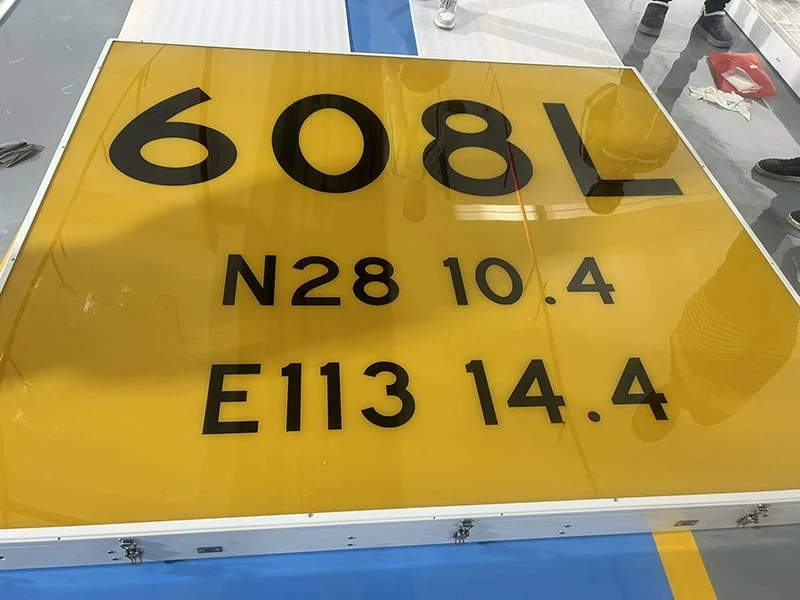

Customization Requirements
Every residential area is unique, and the marker signs should be customized to meet the specific needs of the community. Customization can include the design, size, and content of the signs. For example, a residential area with a strong sense of community may want to include the neighborhood's logo or slogan on the signs.
The size of the signs can also be customized based on the location and the amount of information that needs to be conveyed. Larger signs may be needed in areas with high traffic or where more detailed information is required.
In conclusion, the requirements for marker signs in a residential area are multi - faceted. They need to meet safety, regulatory, aesthetic, functional, maintenance, and customization requirements. As a marker signs supplier, I am committed to providing high - quality signs that meet all these requirements. If you are looking for marker signs for your residential area, I invite you to contact me to discuss your specific needs and start a procurement negotiation.
References
- Local building codes and regulations for residential areas
- Homeowner association rules and guidelines
- Industry standards for marker sign design and installation