

Can a modular wind vane be integrated with other weather monitoring devices? That's a question I get asked a lot as a supplier of Modular Wind Vane. And the short answer is yes, it absolutely can! In fact, integrating a modular wind vane with other weather monitoring devices can offer some pretty cool benefits. Let's dive into this topic and see why this combination is not only possible but also a smart move for accurate weather data collection.
Understanding Modular Wind Vanes
First off, let's talk a bit about what a modular wind vane is. A modular wind vane is designed to be flexible and adaptable. Unlike traditional wind vanes that might be a one - size - fits - all deal, modular wind vanes are made up of different components that can be easily assembled, disassembled, or upgraded. This modularity makes them super convenient for different setups and applications. Whether you're setting up a small personal weather station in your backyard or a large - scale professional weather monitoring network, a modular wind vane can be customized to meet your specific needs.
If you're into the aesthetics of weather vanes, we also have the Stainless Steel Weather Vane. It not only looks great but is also highly durable, made to withstand the elements for years to come. But back to the modular ones. Their design allows for easy replacement of parts, which is a huge plus in terms of maintenance. If a particular part gets damaged or if you want to upgrade to a more advanced sensor, you don't have to replace the whole unit.
Compatibility with Other Weather Devices
One of the key aspects of being able to integrate a modular wind vane with other weather monitoring devices is compatibility. And guess what? Modular wind vanes are generally quite compatible. They can work alongside devices like anemometers (which measure wind speed), barometers (for measuring atmospheric pressure), hygrometers (to measure humidity), and even rain gauges.
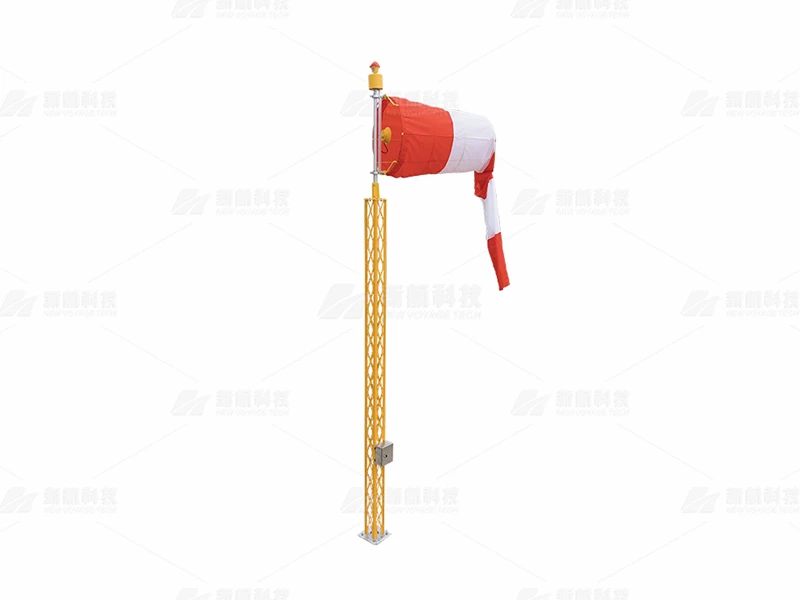
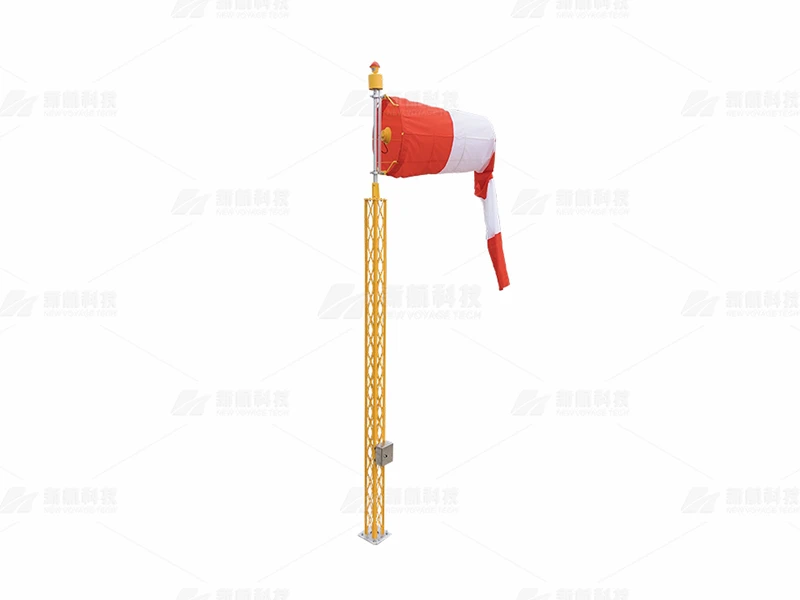
Most modern modular wind vanes use standardized communication protocols. This means that they can easily exchange data with other devices in the weather station. For instance, the data on wind direction from the modular wind vane can be combined with the wind speed data from an anemometer. This combined data can then give a more complete picture of the wind conditions in an area.
The integration also extends to the data collection and processing side. You can connect these devices to a central data logger or a computer. The data logger can collect data from all the devices, including the modular wind vane, and then process it into useful information. This information can be used for a variety of purposes, such as weather forecasting, environmental research, or for agricultural planning.
Benefits of Integration
So, what are the benefits of integrating a modular wind vane with other weather monitoring devices? There are quite a few!
One of the biggest advantages is increased accuracy. By combining data from multiple devices, you can get a more comprehensive understanding of the weather conditions. For example, knowing both the wind direction and speed can help in predicting where a weather system is likely to move. If you're in the agriculture industry, this information can be crucial for planning irrigation, spraying pesticides, or even harvesting.
Another benefit is cost - efficiency. Instead of having separate systems for collecting different types of weather data, integrating all the devices into one system can save money in the long run. You'll need less equipment, less space for installation, and a single data collection and processing system.
It also makes monitoring easier. With all the data in one place, it's much simpler to keep an eye on the weather conditions. You can access the data on a single dashboard, whether it's on your computer, tablet, or smartphone. This is especially useful for professionals who need to monitor weather conditions in real - time.
Challenges and Solutions
Of course, integrating a modular wind vane with other weather monitoring devices isn't without its challenges. One of the main challenges is ensuring proper calibration. Each device needs to be calibrated correctly to ensure accurate data collection. If one device is not calibrated properly, it can affect the overall accuracy of the weather data.
To solve this problem, it's important to follow the manufacturer's calibration instructions carefully. Most modular wind vanes and other weather devices come with detailed calibration guides. Additionally, regular calibration checks should be performed to make sure that all the devices are working as they should.
Another challenge can be dealing with different data formats. Different devices might produce data in different formats, which can make it difficult to combine and analyze the data. However, many modern data loggers and software have the ability to convert and format the data into a unified format. This makes it easier to integrate the data from different devices.
Real - World Applications
The integration of modular wind vanes with other weather monitoring devices has a wide range of real - world applications.
In the aviation industry, accurate weather data is crucial for safe flights. By integrating wind vanes with other devices, airports can get more accurate and up - to - date information on wind conditions, which is essential for takeoff and landing procedures.
For the energy sector, especially wind farms, understanding wind direction and speed is key. By integrating modular wind vanes with anemometers and other devices, wind farm operators can optimize the operation of their turbines, leading to more efficient energy production.
In the construction industry, weather conditions can have a big impact on project timelines and safety. Integrating a modular wind vane with other weather devices can help construction managers make more informed decisions, such as when to perform certain tasks like crane operations.
Conclusion
In conclusion, a modular wind vane can definitely be integrated with other weather monitoring devices. The modular design of the wind vane makes it easy to customize and connect with other devices, ensuring compatibility and accuracy. The benefits of integration, including increased accuracy, cost - efficiency, and ease of monitoring, make it a worthwhile investment for a wide range of industries.
If you're interested in setting up a weather monitoring system that includes a modular wind vane and other devices, don't hesitate to reach out. We'd be more than happy to discuss your requirements and help you find the best solutions for your needs. Whether you're a professional in the weather monitoring field or just a weather enthusiast, we can provide you with the right equipment and support.
References
- Miller, J. (2020). Weather Monitoring Technology: Principles and Applications. New York: Weather Press.
- Smith, A. (2019). Integrating Multiple Weather Sensors for Accurate Data Collection. Journal of Environmental Monitoring, 15(2), 34 - 42.